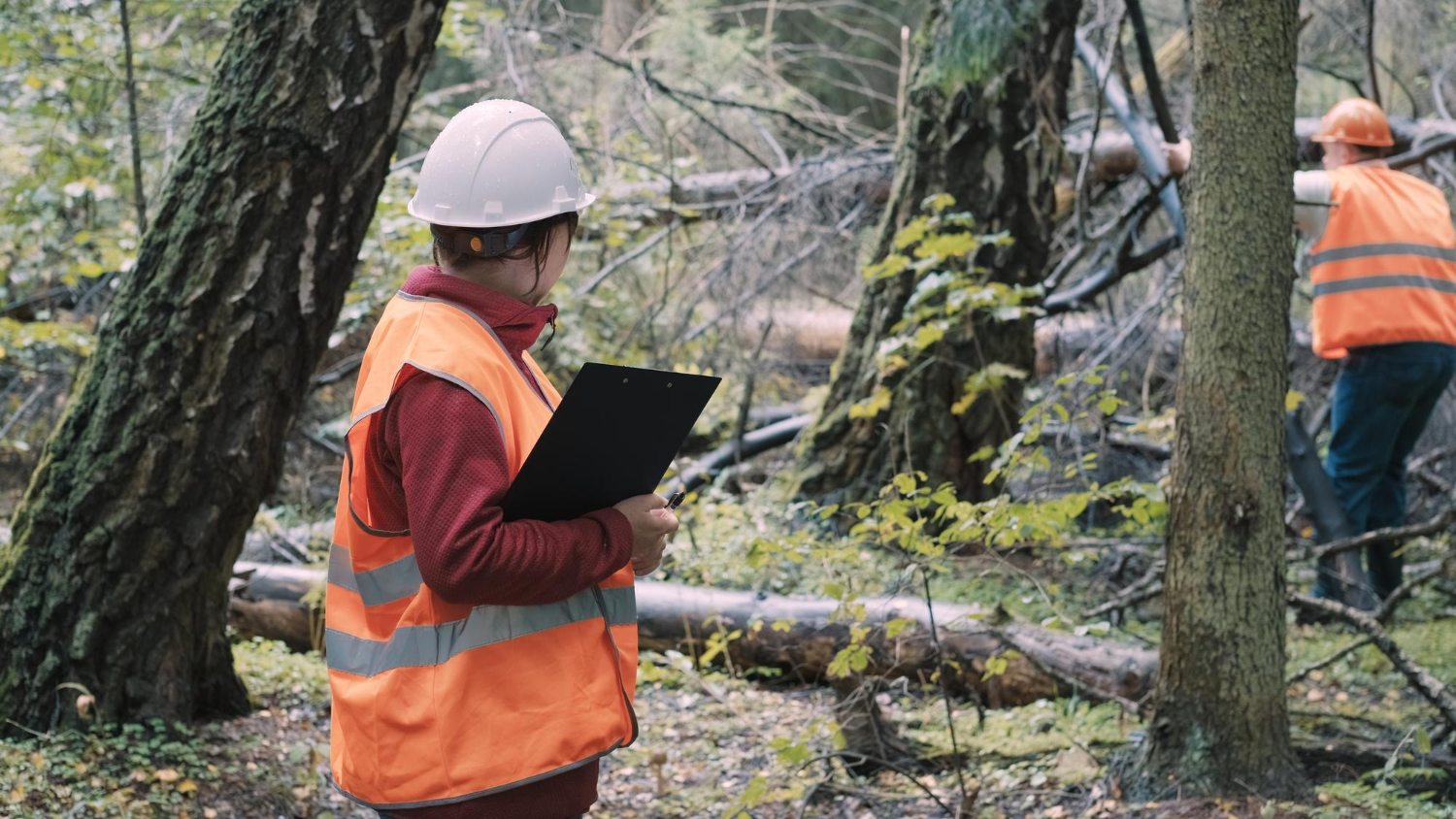
Before any tree trimming or removal project begins, a professional tree assessment is essential. Proper evaluation ensures the safety of your property while protecting the long-term health of your landscape. Understanding how experts assess tree health helps homeowners make informed decisions about tree care.
Inspecting Overall Tree Structure
The first step in a tree assessment involves examining the tree’s structure. Professionals look for leaning trunks, cracked branches, split bark, and weak branch attachments. Structural issues can increase the risk of falling limbs, especially during storms or high winds.
Checking for Disease and Pest Damage
Certified professionals also inspect trees for signs of disease, decay, or pest infestations. Symptoms such as discolored leaves, fungal growth, hollow trunks, or excessive deadwood may indicate internal problems. Early detection allows for targeted treatment, potentially saving the tree.
When damage is severe or poses a hazard, removal may be necessary: Tree Removal Services.
Evaluating Root Health and Soil Conditions
Healthy roots are critical to a stable tree. Tree care specialists assess soil conditions, drainage, and exposed roots to determine if the foundation is compromised. Poor soil compaction or erosion can weaken root systems and increase the risk of tree failure.
For larger property improvements and land preparation, explore: Land Clearing Services.
Determining the Best Course of Action
After completing a thorough inspection, professionals recommend the most appropriate solution. This may include trimming for shape and safety, disease management, or complete removal if the tree cannot be saved.
Protect Your Property with Expert Tree Assessment
A professional tree assessment provides clarity, safety, and peace of mind. By identifying structural issues, disease risks, and root concerns early, homeowners can prevent costly damage while maintaining a healthy, attractive landscape.